
The cultural significance of gambling across societies
Historical Roots of Gambling
The origins of gambling trace back thousands of years, embedded in the cultural fabric of various civilizations. From the ancient Chinese, who used dice as early as 2000 BC, to the Romans, who engaged in betting on gladiatorial games, gambling has been a universal pastime. Archaeological findings suggest that gambling was practiced in ancient Egypt, as well, where the casting of lots was often connected to divine interpretations. These historical practices illustrate how gambling served not only as entertainment but also as a social bonding activity. Platforms like lolajackcasinos.uk show how modern online gaming evolves from these ancient traditions.
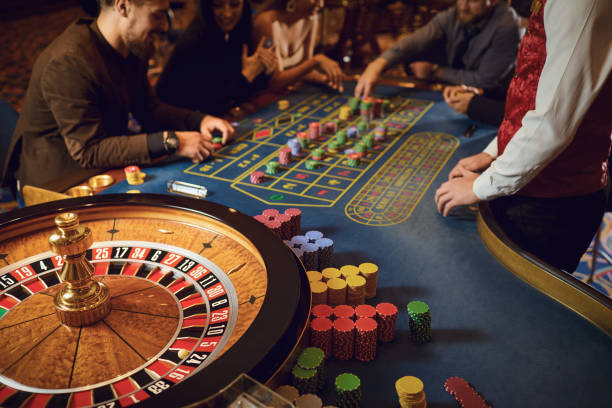
In many cultures, gambling was closely intertwined with religious beliefs and rituals. For instance, the ancient Greeks played games of chance as offerings to their gods, hoping to gain favor or insight. Similarly, Native American tribes often utilized gambling in ceremonial contexts, where outcomes were believed to reflect the will of the spirits. These practices underscore gambling’s dual role as both a recreational activity and a spiritual endeavor, showing its significance across various societies throughout history.
Furthermore, as societies evolved, so did the forms and perceptions of gambling. The transition from informal games played in backrooms to the establishment of formal casinos indicates not only the growing popularity but also the acceptance of gambling as a legitimate social activity. This evolution reflects changing attitudes towards luck, chance, and risk, demonstrating that gambling is a mirror of cultural values and societal norms across different epochs.
Gambling in Modern Culture
Today, gambling is deeply woven into the fabric of modern culture, taking on diverse forms that reflect societal changes. Online gaming platforms, like LolaJack Casino, illustrate how technology has transformed traditional gambling into a convenient, accessible experience. The rise of virtual casinos has expanded the demographic of gamblers, allowing individuals from different backgrounds to engage in gambling without the need to visit physical establishments. This shift has made gambling a more socially inclusive activity.
Moreover, the portrayal of gambling in media, from films to video games, has cemented its cultural significance. Popular movies often depict gambling as a high-stakes drama, where characters face moral dilemmas and life-changing decisions. This representation enhances the allure of gambling, framing it not just as a game of chance but as a venue for exploring themes of risk, reward, and human behavior. Such narratives can influence public perception, contributing to both the glamour and stigma often associated with gambling.
Additionally, modern gambling events, such as the World Series of Poker, draw significant attention and participation, showcasing the sport-like qualities of gambling. These events emphasize skill, strategy, and psychological prowess, shifting the focus from mere chance to a competitive and strategic endeavor. The cultural acceptance of such events signifies a growing recognition of gambling as a legitimate form of entertainment and competition, further embedding it into contemporary societal norms.
Social Implications of Gambling
The social implications of gambling are vast and complex, influencing community dynamics and individual behaviors. On one hand, gambling can serve as a form of socialization, bringing people together in shared experiences. From friendly poker nights to larger casino outings, gambling fosters connections among individuals and can strengthen community bonds. However, this social aspect can also lead to negative consequences, particularly when gambling becomes problematic for certain individuals.
Problem gambling poses significant challenges for individuals and families, often leading to financial difficulties and strained relationships. Communities are increasingly aware of the need for responsible gambling initiatives, aiming to promote awareness and provide support for those affected by gambling addiction. Education around the risks associated with gambling is crucial, as it can help mitigate its potential negative effects while still allowing individuals to enjoy the social aspects of gaming.
Furthermore, the economic impact of gambling cannot be overlooked. Many communities rely on revenue generated from casinos and betting establishments, which can lead to job creation and tourism. However, this economic benefit must be balanced with the societal costs associated with gambling-related issues. As communities navigate these complexities, the role of gambling within society remains a subject of ongoing discussion and evaluation, highlighting the need for responsible practices and informed policies.
Global Perspectives on Gambling
Globally, gambling practices vary significantly, shaped by cultural, legal, and religious factors. In some countries, gambling is embraced and regulated, providing structured environments for those wishing to partake. For example, countries like the United Kingdom have established robust legal frameworks that facilitate responsible gambling while simultaneously reaping the economic benefits associated with it. This creates a model that many other nations look to emulate, promoting safe gambling practices.
Conversely, in various cultures, gambling is prohibited or heavily restricted due to religious beliefs. Countries like Saudi Arabia and several others within the Islamic world view gambling as immoral, leading to stringent laws against it. These cultural attitudes impact the way gambling is perceived and practiced, illustrating the complexity of its significance worldwide. In these contexts, gambling is not just a matter of personal choice but also a reflection of deeply held beliefs and societal values.
Additionally, international gambling tourism has emerged as a thriving industry. Destinations known for their casinos, such as Las Vegas and Macau, attract millions of visitors annually, further emphasizing gambling’s global appeal. These locations not only offer entertainment but also create a unique cultural atmosphere that blends gaming with hospitality and entertainment. As globalization continues, the exchange of gambling practices and experiences across borders illustrates the evolving landscape of gambling and its cultural significance.

The Future of Gambling and Online Platforms
The future of gambling is poised for further transformation, particularly with the rise of online platforms like LolaJack Casino. As technology advances, online gambling continues to gain traction, offering a diverse range of gaming options that cater to various preferences. This digital shift allows for an unprecedented level of convenience and accessibility, enabling players to enjoy their favorite games from anywhere in the world. As online platforms evolve, they will likely incorporate more interactive elements, enhancing the overall user experience.
Furthermore, the increasing acceptance of gambling in various societies could lead to more comprehensive regulations and protections for players. As more individuals engage in online gambling, the importance of safeguarding against potential harm, such as addiction and fraud, becomes paramount. Future regulations may focus on promoting responsible gambling practices, ensuring that players are informed and supported in their choices.
Lastly, the integration of cryptocurrency and blockchain technology into gambling platforms is a growing trend, potentially reshaping the industry. These innovations could offer enhanced security and transparency, attracting a new demographic of tech-savvy gamblers. As the gambling landscape continues to evolve, it will be crucial to balance innovation with the cultural, social, and ethical considerations that have historically defined gambling across societies.
