
While a demo account can never have the same results as live trading, there are a few things you can do when testing on a demo platform to make the results as realistic as possible. If you can’t wait until you’re successful on a demo account, there’s a small chance you’ll be profitable when real money and emotions come into play. Similar to placing trades on weekends or holidays in a live account, Dukascopy allows you to enter orders on your demo account during weekends and holidays.
Emotional impact
Live trading involves actual financial risk, as trades are executed with real money. Using a live account provides traders with a real trading experience, allowing them to understand the dynamics of the forex market. It helps traders develop crucial skills such as risk management, trade execution, and emotional control. A live account uses real money and exposes traders to the emotional and psychological aspects of trading. Unlike demo accounts, live accounts involve real profits and losses, making emotional control and discipline critical.
Before a trader actually opens a live trading account and deposits money, it is prudent to open a demo account, which allows review and testing of the features of a trading platform. The demo account is funded with simulated money and allows investors to conduct fictitious trades under real trading conditions to familiarise themselves with the working and various features of the platform. Demo accounts provide virtual balances, usually ranging from $10,000 to $100,000. This practice account setup allows you to place trades, track performance, and learn how capital changes with wins and losses, all within a simulated market environment. It’s an ideal way to gain experience before you start trading with real funds.
Familiarize yourself with the tools and features of the trading platform.
As soon as NAGA.com completes the verification of the account, you can fund it. This potentially significant difference factor needs to be taken into account by a trader when assessing the value of a particular trading strategy or the services of a forex broker they are testing. Eventually, as you build experience and confidence with small amounts, you can increase your risk per trade to a dollar amount that matches your trading ability and risk tolerance. But at the end of the day, if you don’t jump in and get your feet wet, you’re never going to develop the necessary mental skills to succeed in the market.
In that framework, execution can be slow depending upon market conditions and your Forex broker’s operations. The bottom line is to start with a demo account and learn how to trade the forex markets safely first. Then, once you have developed your own strategy and trading plan, open a live account with a reputable forex broker. Since most novice Forex traders lose money on their first live account, this hands-on training is quite beneficial. This is typically the result of their inability to acquire the knowledge, discipline, and trading mindset required to successfully trade on a live trading account.
What Is a Real Trading Account at OTET Markets?
Trading with virtual money can affect your trading decisions, as the emotional response to profit and loss is different compared to real money trading. Without real capital at risk, traders might take positions they wouldn’t normally take in live trading, which can lead to unrealistic expectations. Dukascopy’s JForex4 Demo account mirrors the experience of real trading, allowing you to refine your skills and experiment with strategies in a risk-free environment. It replicates the functionalities of a live account remarkably well, so you can practice placing trades, using strategies without putting your own capital on the line.
Preparing for a smooth transition to a live account
- All of the available trading platforms offer basic technical support to help you navigate the demo environment, resolve login issues and familiarise yourself with the features of the platform.
- However, you may still utilize a demo to become acquainted with the platform first.
- You should consider whether you understand how these products work and whether you can afford to take the high risk of losing your money.
- Different demo accounts, or paper trading accounts, specialize in different asset classes.
- However, these orders will only be executed and reflected in your account balance when the markets reopen.
- Once you log in, customize your trading dashboard, set up charts, and explore different order types.
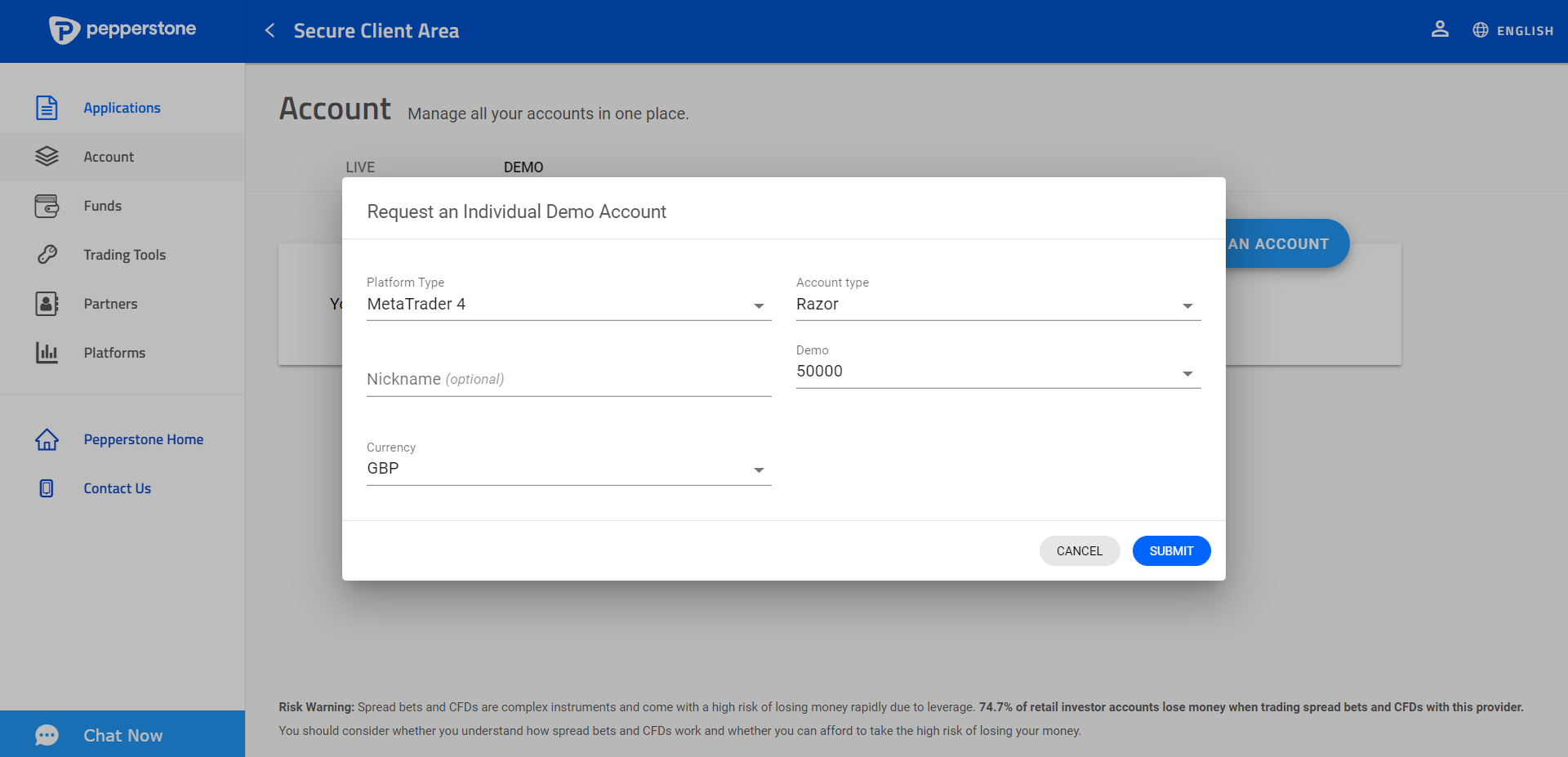
You can use a trading simulator, such as a demo account, to enable you to get to grips with a platform, build your strategy and grow in confidence, without having to risk any real money. Yes, the demo account includes all the same features as a live account, including full access to the trading platform and all available tools. Account Specifications – Next, choose whether to open a forex demo account for MT4 (MetaTrader 4), MT5, or ActivTrades.
Explore proven trading strategies
A demo account is like learning to drive in a safe area, allowing mistakes and building confidence before real trading. When switching to a live account, your NAGA.com demo everestex exchange trading account won’t expire. To open a live account you will need to upload proof of your identity (Passport, ID, or Driver’s License) and proof of your residence (utility bill or bank statement). Depending on the country, NAGA.com can ask you to fill out a questionnaire about your trading knowledge.
Creating a trading plan before going live
IG International Limited is part of the IG Group and its ultimate parent company is IG Group Holdings Plc. IG International Limited receives services from other members of the IG Group including IG Markets Limited. As well as a range of other markets including bonds, rates and options. Choose a trading instrument, configure the chart to your liking and place your first demo trade. Many OTET Markets clients begin with micro lots or the smallest position size available. The information does not contain a record of AT’s prices, or an offer of or solicitation for a transaction in any financial instrument.
Apart from allowing traders to experiment with an array of financial products, such as options, futures, forex and other derivatives, a demo account also offers them an opportunity to test different trading strategies. Theoretically a demo and real account are the same, but the actual performance may differ due to several reasons. The goal of demo trading accounts is to mimic real market conditions. Live accounts, on the other hand, function under real-time market conditions and may offer difficulties in transactions.
Key takeaways for beginners and experienced traders
When you’re trying to sharpen your trading skills without risking real money, you’ll likely turn to demo accounts or trading simulators. On the surface, they sound similar—both let you practice—but the difference in experience, speed, and growth can be massive. If you’ve read a lot of materials about the Forex market, learned everything about pips, spreads, margins, leverage, brokers, and more, and have thoroughly studied trading strategies, don’t rush to spend money. Before you risk real assets, open a demo account and use virtual funds. Different demo accounts, or paper trading accounts, specialize in different asset classes. You can choose one tailored for forex pairs, stock CFDs, indices, or commodities depending on what you want to learn, helping you gain hands-on experience without risking real funds.
Because they use virtual money, you cannot withdraw any winnings, but you also cannot lose any money. Yes, you can practise stock trading and forex trading for free with an IG demo account. No need to create a separate forex demo account or stock demo account – you can trade both markets via a single login.
NAGA.com Demo Trading Account: Opening and Key Facts
Traders are directly exposed to the opportunities and problems that come with real-time markets. A demo account is a simulated market environment offered by a trading provider that aims to recreate the experience of ‘real’ trading as closely as possible. This is so that you can get a feel for how different products and financial markets work. The main difference is you won’t be at risk of losing any money, so you can explore and experiment with confidence. In demo trading, traders operate with virtual funds, shielding them from real financial risk. This environment allows for experimentation and learning without the fear of losing money.
Make sure to read our Terms and Conditions, Risk Disclosure, and Secure and Responsible Trading to fully understand the risks involved before using our services. Please also note that the information on this website does not constitute investment advice. Demo accounts don’t train your brain to handle wins, losses, or drawdowns. If you’re testing a swing strategy, you might need weeks just to see 2-3 setups. Many schools around the country offer personal investment or economics courses that enable students to keep a demo stock account and track the progress of their assets during the semester. Demo accounts were first offered by online brokerages in the 2000s when high-speed internet became more widely available across the world.

How long to trade on a demo account?
Demo and real accounts look the same but have key differences—especially when actual money is involved. Below are the key distinctions, explained simply and in a relatable way. Did you know that global trading volumes in the foreign exchange market reached a record high in 2018? Thanks to volatility in global economics, more and more people are actively trading forex. However, trading a market that turns over more than $5 trillion every single day can be quite daunting at first.
